



This week’s analysis highlights some of the most significant geopolitical developments involving America’s adversaries—China, Russia, Iran, and North Korea—between November 21, 2026 and November 28, 2026.
Executive Summary:
US War with Iran - Significant Activity Related to the US-Iran War
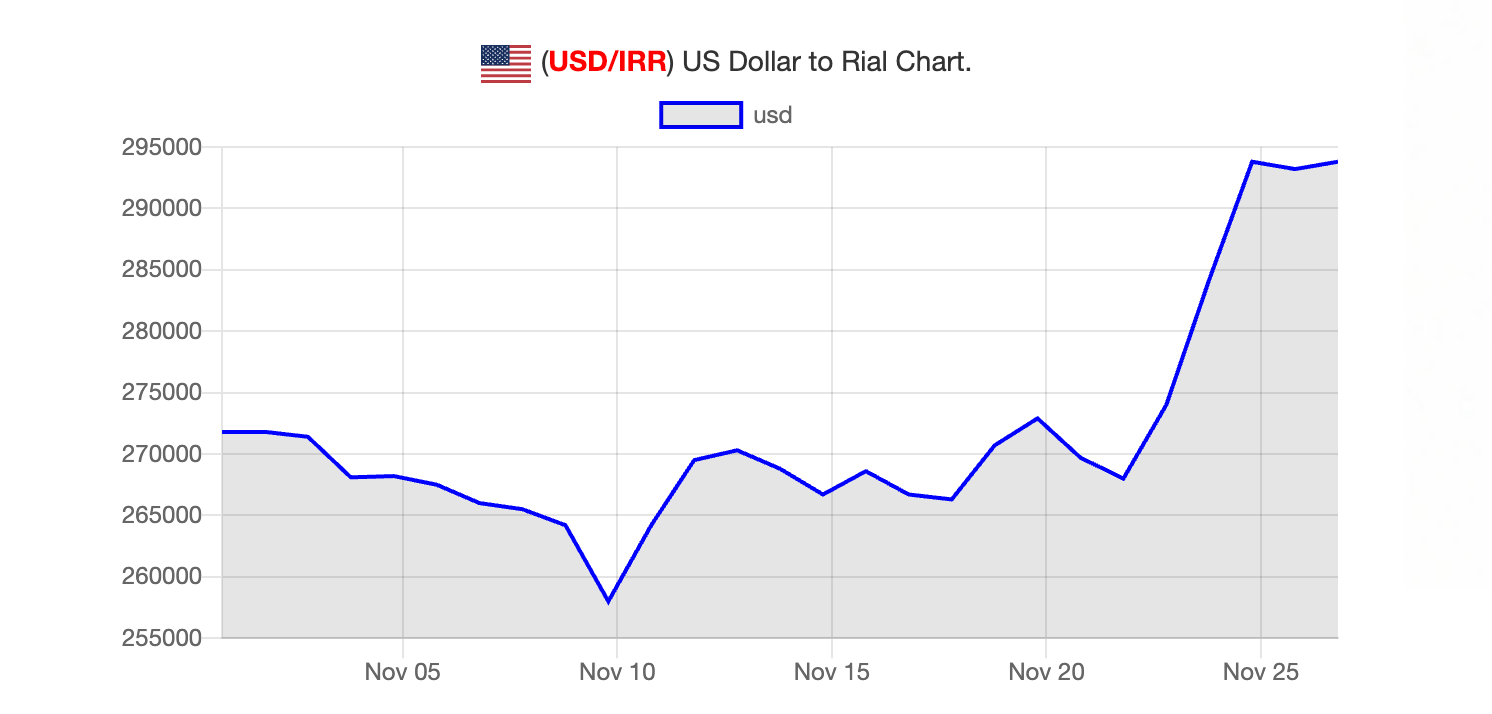
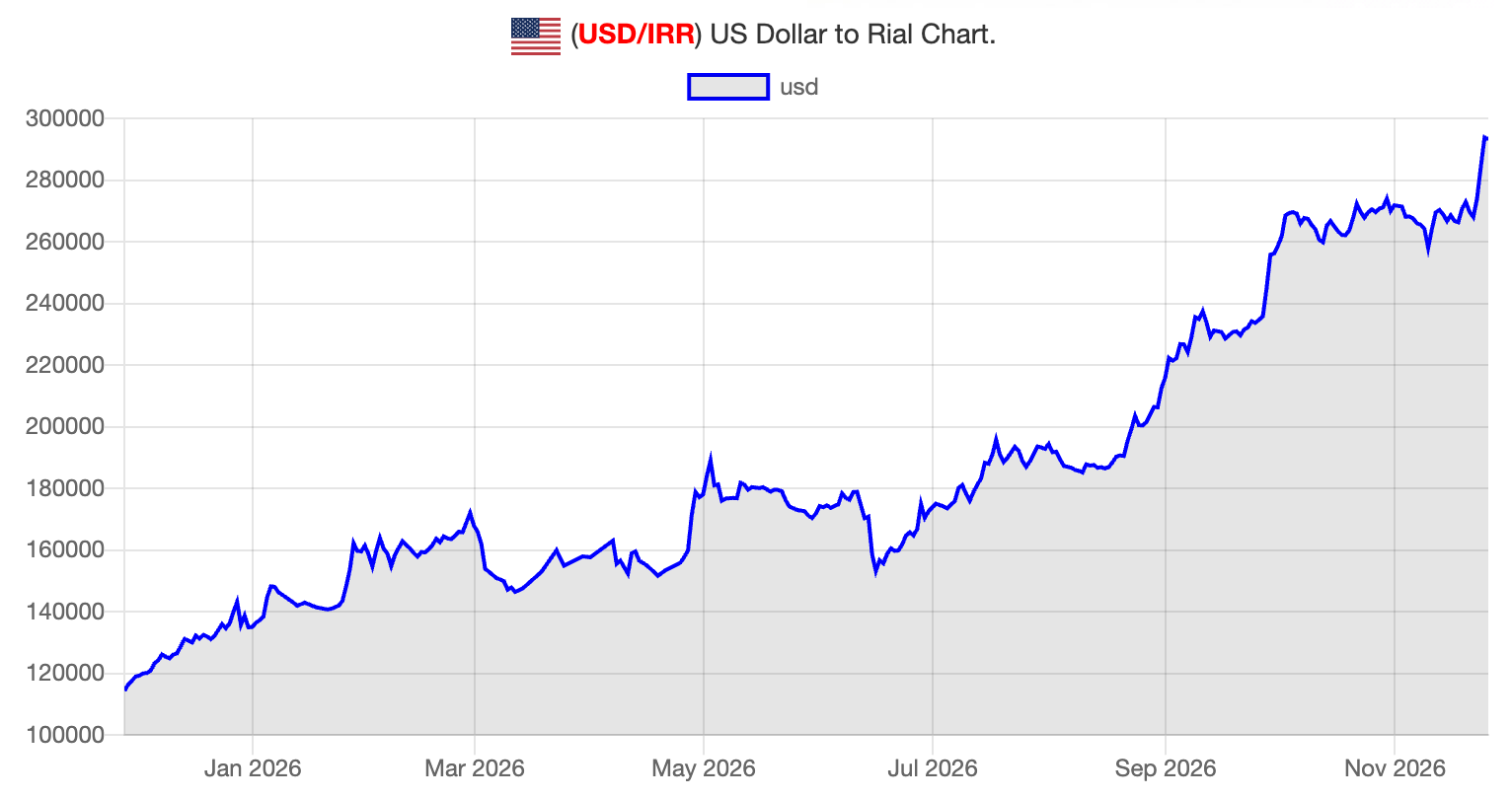
The Iranian rial experienced a sudden and dramatic slide on open markets amid deteriorating economic conditions in the country.
Two Italian technicians were killed in an attack on a military facility in Kuwait by an Iranian-made drone.
The Eastern Front - Significant Activity Related to the War in Ukraine and Russian Threats to NATO
New investigations into leaked government statistical data suggested Russian war deaths could range between 474,000 and 720,000.
Ukraine’s Main Intelligence Directorate reported that North Korea has paused military assistance to Russia in protest over Moscow’s amicable policy toward Seoul.
Western Pacific Flashpoints - Significant Activity in the Western Pacific and Taiwan
China began “Golden Dragon 2026” joint military exercises with Cambodia at China’s overseas naval base in the country at Port Ream.
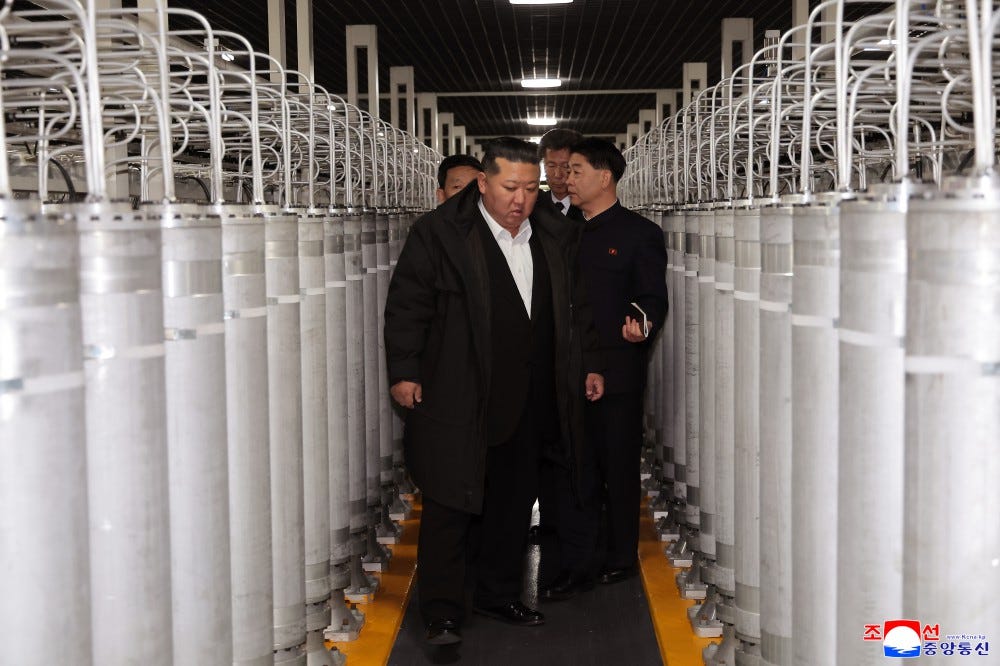
North Korean Supreme Leader Kim Jong-un inspected nuclear facilities and called for a new focus on developing tactical nuclear weapons.
US WAR WITH IRAN
Significant Activity Related to the US-Iran War
1. IRANIAN RIAL EXPERIENCES SUDDEN SLIDE AMID DETERIORATING ECONOMIC CONDITIONS
The Iranian rial experienced a sudden and significant slide on open markets this week. On November 21, 2026, the Iranian currency was trading at 268,000 tomans1 to the dollar on open markets, and by November 28, 2026, the unofficial exchange rate was approximately 299,200 tomans to the dollar, a depreciation of over 10%.
Takeaways:
The sudden drop in the rial underscores weakness in the Iranian economy that has intensified in recent weeks amid the ongoing US naval blockade that has effectively halted Iranian oil exports. Deteriorating economic conditions have become a significant cause for concern amongst Iranian leaders, due to their role in provoking previous rounds of mass civil unrest in the country.
Even though US pressure is genuinely damaging the Iranian economy, it is still not clear that it will easily translate into behavioral change in the Iranian regime. While Iran has governance responsibilities like any country, economic prosperity is not part of the fundamental value proposition of the revolutionary regime. The loyalty of the key stakeholders that the regime needs to hold on to power, including the clergy and Islamic Revolutionary Guard Corps (IRGC), is not contingent upon favorable economic conditions. These groups, along with the Basij paramilitary, are likely to redouble their support for maintaining the regime in an economic crisis, since they would be subject to violent retribution if it were to collapse. Together, these elements of the Iranian security apparatus are still too powerful and ruthless for any public uprising to overcome.
2. TWO ITALIANS KILLED IN KUWAIT BY AN IRANIAN-MADE DRONE
On November 26, 2026, a drone attack against a military facility in Kuwait killed two Italian nationals and wounded a Kuwaiti army captain and a Pakistani national. The Italians were employed by the German defense conglomerate Rheinmetall as technicians for the company’s Skyguard air defense system. Italian Foreign Minister Antonio Tajani announced on November 27, 2026, that parts recovered from the drone were of Iranian origin. The incident was the first fatal attack on Kuwait in several months.
Iran has denied involvement in the attack, and Iran’s Embassy in Rome suggested the attack was a false flag operation to draw Europe into the war in the Middle East.

Takeaways:
As a November 27, 2026, analysis by Heba Habib for Al Jazeera notes, Iran’s denial of responsibility is unusual since it has regularly taken responsibility for attacks on shipping in the Strait of Hormuz and on other neighboring countries such as Bahrain and the UAE. However, it is worth highlighting the fact that Iran regularly denies responsibility for attacks by its proxy groups, particularly when those attacks affect European interests. Iran has issued vociferous denials of involvement in recent plots targeting American bases and Jewish communities across Europe.
Iran likely instigated proxy groups to conduct this week’s attack to both lash out at Kuwait for its continued support for the US amid the ongoing naval blockade and test the country’s air defense systems ahead of a possible resumption of high intensity combat.
EASTERN FRONT
Significant Activity Related to the War in Ukraine and Russian Threats to NATO
3. NEW INVESTIGATIONS OF LEAKED RUSSIAN DATA RAISE TOLLS OF RUSSIAN WAR DEATHS
Meduza-Mediazona Investigation - Russian War Deaths Could Exceed 700,000
On November 23, 2026, Russian independent media outlets Meduza and Mediazona released a new estimate of 720,000 Russian war dead. The new toll, which is far higher than previous Mediazona estimates, is the result of new information made available by the recent Rosstat leaks. The investigators arrived at the new estimate by assessing figures for missing soldiers that are likely to be reclassified as killed in addition to the recorded 490,000 deaths.
iStories Investigation - Russian War Deaths Between 474,000 and 611,000
On November 23, 2026, Russian independent media outlet Important Stories (iStories) released the results of its own investigation into leaked Rosstat data, assessing total Russian war deaths between 474,000 and 611,000. IStories based its range on numbers it could confidently assess died in combat and an estimate of deaths that have not been accounted for. In addition to Russian war dead, iStories also assessed that 6,000 foreign volunteer fighters have been killed serving in the Russian military.
Takeaways:
The Rosstat leaks, the result of data obtained from Russia’s official statistical agency by hacktivists from Ukraine and Belarus, are discussed in greater detail in Weekly Significant Activity Report - November 14, 2026.
The iStories analysis also provided additional insights into how and where Russian soldiers were killed. The analysis found that the bloodiest battle of the entire war has been in the vicinity of Pokrovsk, where over 50,700 Russian troops were killed. IStories also revealed that 92% of all Russian war deaths were the result of high explosives with only 1.3% coming from firearms. The figures underscore the extent to which the war has become dominated by drones and long-range fires, with advances by Russian troops largely ground down long before coming into range of manned Ukrainian positions.
The Kremlin has taken these latest casualty figures much more seriously than previous estimates published in Western media, issuing multiple denials this week. The change in approach is likely because coverage of the Rosstat leaks has gained significant attention in Russian independent media.
4. NORTH KOREA REPORTEDLY PAUSES MILITARY ASSISTANCE TO RUSSIA
On November 26, 2026, Ukraine’s Main Intelligence Directorate (HUR) announced that North Korea has paused military aid to Russia since October. Tension between the two wartime allies apparently emerged over Russia’s attempts to mediate an escalating dispute between Pyongyang and Seoul over illegally placed landmines in the demilitarized zone, which injured three South Korean troops in September. According to HUR, the restrictions include:
…a ban on the use of the DPRK airspace by Russian military transport aircraft, as well as the suspension of the supply of KN-23 ballistic missiles and another batch of artillery ammunition.
In addition, Pyongyang is currently holding back the implementation of the Russian request to increase the North Korean military group on the territory of the Russian Federation from 8.5 to 50 thousand soldiers.
Takeaways:
While this report needs to be treated cautiously due to HUR’s inherent interests in generating tensions between Russia and North Korea, the claims are plausible. On October 20, 2026, Russian Deputy Foreign Minister Andrei Rudenko, who is at the center of the dispute, indicated to reporters that Russia would welcome steps by South Korea to normalize relations. Such remarks could be seen by North Korea as a sign that Russia will one day scale back its Comprehensive Strategic Partnership in favor of improved relations with the South. Rudenko met with North Korea’s ambassador to Russia, Sin Hong-chol, three days later on October 23, 2026, possibly to clarify the remarks.
WESTERN PACIFIC FLASHPOINTS
Significant Activity in the Western Pacific and Taiwan
5. CHINA AND CAMBODIA BEGAN GOLDEN DRAGON 2026 MILITARY DRILLS
On November 25, 2026, China and Cambodia began joint military drills at the Cambodia-China Joint Support and Training Center at Port Ream, Cambodia, as part of “Golden Dragon 2026”. The exercises, involving 1,626 Cambodian and 1,314 Chinese People’s Liberation Army (PLA) troops, focus on “joint counterterrorism and anti-piracy operations and humanitarian relief”.
Takeaways:
Opened on April 5, 2025, the Cambodia-China Joint Support and Training Center at Port Ream, Cambodia, is one of about three Chinese overseas military facilities. The other bases include China’s PLA Support Base in Djibouti and the China-Laos Joint Support and Training Center at Ban Keun, Laos. (China also has over two dozen island bases in the South China Sea.) This is the second year the Port Ream facility has featured in the annual Golden Dragon exercises, highlighting the port’s role as an emerging Chinese military hub.
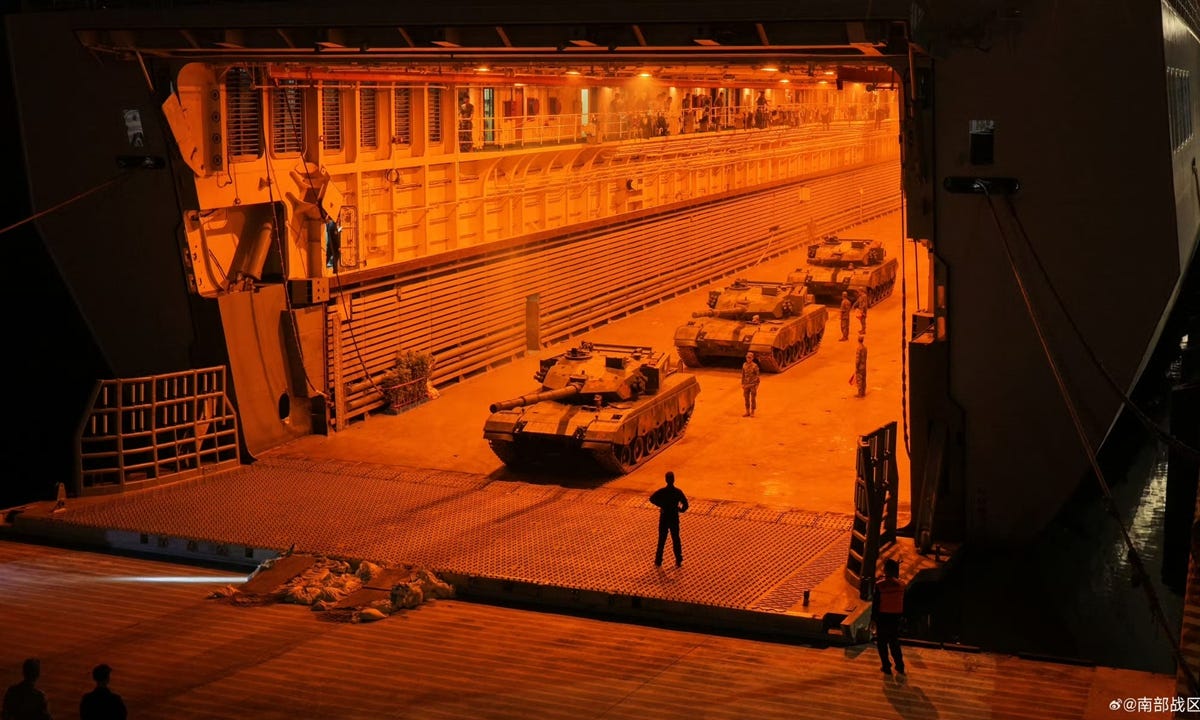
The exercises featured several pieces of advanced Chinese military hardware including Type 96A main battle tanks and the LCQ-776 early warning radar system. The Type 96A tanks were notably deployed to the exercises aboard the Type 071 amphibious landing ship Kunlunshan, the first time China has ever transported main battle tanks abroad by sea, showcasing China’s growing amphibious lift capability.
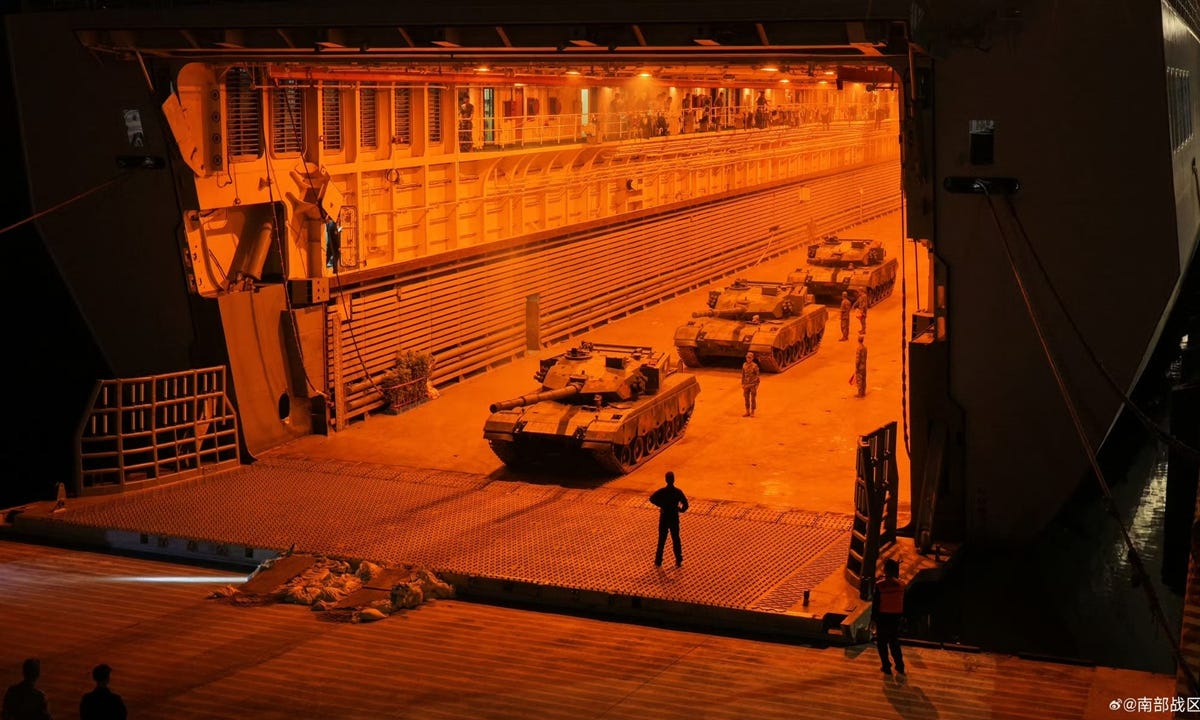
PLA Type 96A tanks disembarking the Kunlunshan at Port Ream. Source: People’s Daily
6. KIM JONG-UN INSPECTED NUCLEAR FACILITIES AND CALLED FOR MORE TACTICAL NUCLEAR WEAPONS
On November 25, 2026, North Korean Supreme Leader Kim Jong-un conducted inspections at North Korea’s “weapons-grade nuclear materials production base, the nuclear-powered equipment production base and the nuclear weapons institute”. During the inspections Kim was informed of newly built nuclear materials production facilities and progress made in developing new weapons.
According to state media, Kim reiterated that North Korea would never denuclearize, and called for greater focus on developing tactical nuclear weapons. Kim framed the need for a more robust and flexible nuclear deterrent as a direct response to the alleged “reckless nuclear arms build-up and expansion of the nuclear military alliance” between the US and South Korea.
Takeaways:
According to an analysis of state media reports by Yonhap, this is the fourth time Kim Jong-un has visited a nuclear facility. The most recent previous visit came in June of this year. This latest inspection by Kim came a week after Rafael Grossi, the Director General of the International Atomic Energy Agency, confirmed the findings of a September 2026 report by NK Pro that North Korea had expanded a uranium enrichment facility at the Yongbyon nuclear complex.
Kim’s tour and his insistence on the irreversibility of North Korea’s nuclear development can be seen as a rebuke of US and South Korean efforts to engage with Pyongyang without meeting its precondition of acknowledging its standing as a nuclear power. On November 21, 2026, The Wall Street Journal highlighted the continued North Korean refusal to engage with the Trump administration without recognition of its nuclear status, reporting that repeated attempts by President Trump to reach the North Korean leader by phone and by letter have been rebuffed over the last year.
This briefing was compiled by Dan White. Dan is an independent foreign policy analyst based in the New York Metro Area. Dan is a former member of The Wilson Center and The Kennan Institute. Dan holds masters degrees from the Johns Hopkins University School of Advanced International Studies (SAIS), the Naval Postgraduate School, and the University of Washington. Dan is a former officer in the United States Army and a veteran of the War in Afghanistan.
For more information, corrections, or comments, please contact djwhite155@gmail.com.
A denomination equivalent to 10 rial.